The EU Deforestation Regulation (EUDR) is creating new challenges for Vietnam’s wood and furniture industry. Exporters must now ensure transparent supply chains, legal timber sourcing, and sustainable production practices to access the EU market. Although the regulation increases compliance requirements, it also creates opportunities for Vietnamese manufacturers to strengthen competitiveness and build trust with international buyers.
What Is the EUDR?
The EUDR, officially known as the EU Regulation on Deforestation-Free Products, requires companies exporting wood and wood-derived products into the EU to prove that their products are not linked to deforestation or forest degradation after December 31, 2020.
Under this regulation, businesses must provide transparent supply chain documentation, traceability information, and legal proof of timber origin before products can enter the EU market.
Challenges Facing Vietnam’s Wood Industry
Increasing Traceability Requirements
One of the biggest challenges for manufacturers is ensuring full traceability throughout the supply chain. Companies are now required to collect detailed information about timber sources, including harvesting locations, supplier information, and legal documentation
For many small and medium-sized enterprises, adapting to these new compliance systems can be difficult due to limited resources and lack of technical preparation.
Rising Expectations for Sustainable Production
International buyers are no longer focusing only on product quality and pricing. Sustainability, environmental responsibility, and social compliance are becoming essential factors in supplier evaluation.
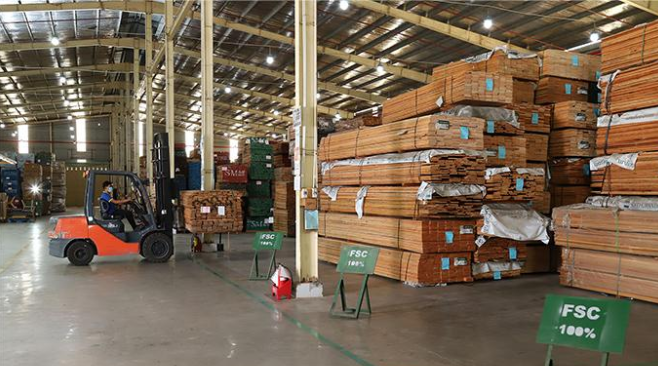
Many global importers now prioritize FSC-certified materials, transparent production systems, and environmentally responsible manufacturing practices.
Opportunities for Long-Term Growth
Although EUDR creates significant pressure, it also opens new opportunities for Vietnamese furniture manufacturers willing to invest in sustainable development.
Strengthening Global Competitiveness
Businesses that successfully comply with EUDR standards can strengthen their reputation and improve their position in the global supply chain. Sustainable production helps companies build trust with international buyers and access higher-value markets.
Promoting Green Transformation
The regulation is also accelerating green transformation within the furniture industry. Manufacturers are increasingly adopting digital traceability systems, responsible sourcing strategies, and sustainable manufacturing processes to meet international expectations.
The EUDR is reshaping the future of the global wood and furniture industry. While compliance presents challenges, it also encourages Vietnamese manufacturers to improve transparency, sustainability, and production standards.
Companies like CATTIE S.L. understand that sustainable manufacturing is becoming the foundation for long-term success in international markets. By investing in responsible sourcing and high-quality production, Vietnamese furniture businesses can continue strengthening their presence in the EU market.
Looking for a reliable and sustainability-focused furniture manufacturing partner? Contact CATTIE today to explore responsible wood furniture solutions for global markets.
